A second-hand truck might look like the right buy on price, but will it work for your business once repayments, maintenance and downtime are included?
Before you pay a deposit, look at the truck and the finance together. A few checks early in the process can help you spot problems before you commit.
Here are seven things to consider when buying a used work truck. If you already have a vehicle in mind, explore our used truck finance options and send LoanBrix the listing or quote.
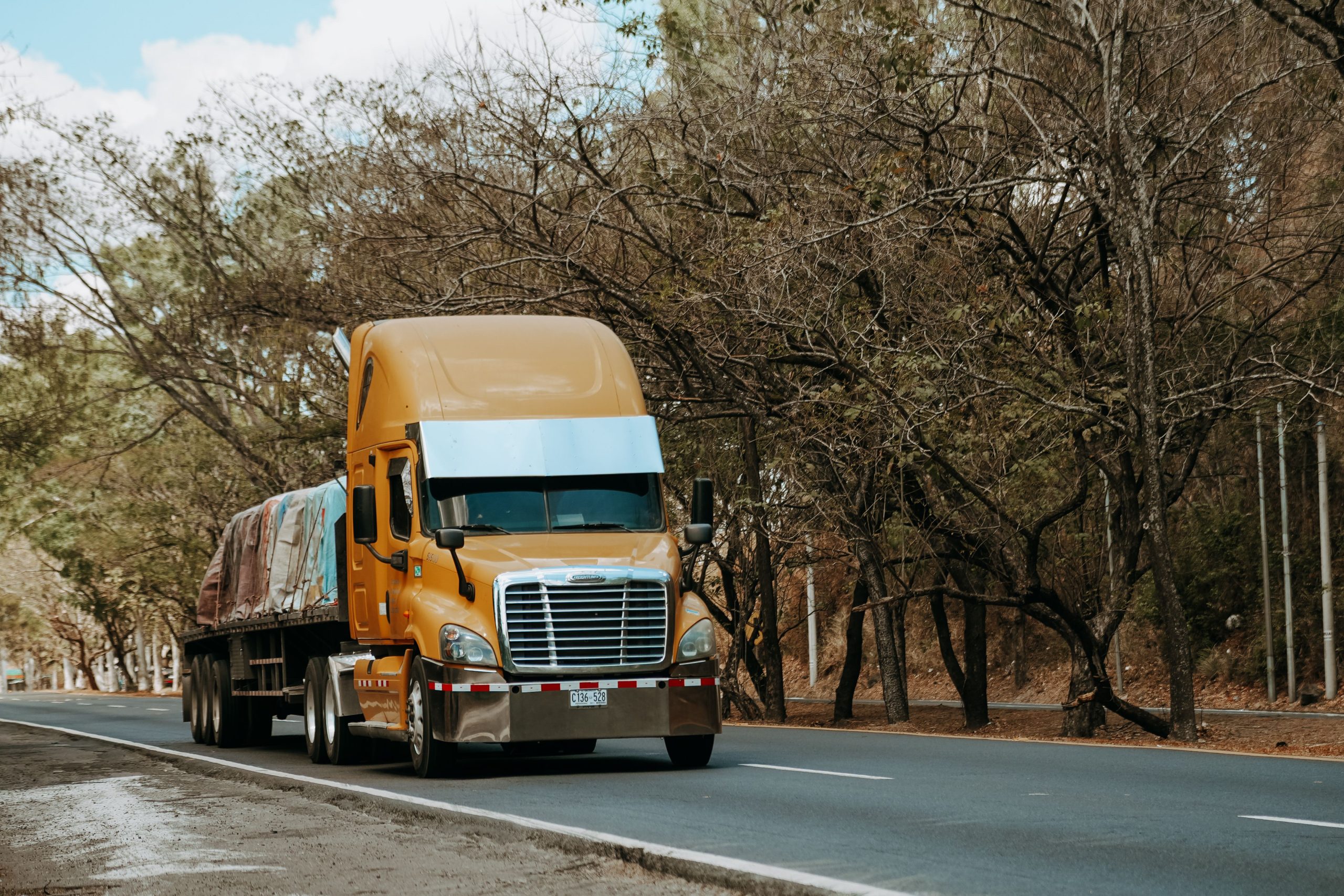
1. Check Whether the Truck Suits the Work
Start with the job, rather than the listing. A cheaper truck is not good value if its payload, body type or configuration does not suit your contracts.
Think about the loads, routes, access requirements and equipment you need. Check relevant licensing, registration and roadworthiness requirements with the appropriate authority, especially for interstate purchases or modified vehicles.
Ask the seller: What work has the truck been doing, and what modifications have been made?
If you are also buying separate machinery or equipment, explore our commercial equipment finance options and tell us what is included in the purchase.
2. Look Beyond the Year and Kilometres
Age and kilometres are useful starting points, but they do not tell the whole story. Review the service history and arrange an independent inspection by someone familiar with commercial trucks.
Ask the inspector about the engine, transmission, brakes, tyres, chassis and any specialised equipment. Use their findings to understand repairs that may be needed soon, rather than relying on a seller’s description.
The truck also needs to meet the lender’s asset requirements. Ask how its age and condition affect the proposed finance term before committing to the purchase. Our broader truck finance service covers funding for different commercial vehicle types.
3. Check the Vehicle Identifiers and PPSR
Compare the VIN or chassis number on the truck with the purchase documents. Use the correct identifier for a PPSR vehicle search, which can identify registered security interests.
The search may also return stolen or written-off information where available, but that information can be incomplete. Keep the certificate and investigate any recorded interests before settlement. A PPSR search does not replace a mechanical inspection or provide a complete vehicle history.
If the seller still has finance on the truck, tell your broker early so the proposed lender’s payout and settlement requirements can be confirmed.
Already Found a Truck?
Send LoanBrix the listing or quote. We can discuss your purchase and explain the next steps for finance.
4. Budget for More Than the Repayment
Your truck needs to earn enough to cover both the finance and the cost of keeping it working. Build a budget that includes fuel, insurance, registration, tyres, servicing and repairs.
Allow for time off the road too. If a breakdown means hiring a replacement or missing paid work, the impact can extend beyond the repair bill.
A useful question is: Could the business manage the repayment during a quieter month or an unexpected repair? Use your own trading records and realistic work expectations to answer it. For a broader starting point, see business.gov.au’s business loan preparation guide.
5. Compare the Complete Finance Offer
Compare offers using the same amount borrowed, deposit and term. Check the interest rate, establishment and ongoing fees, early repayment conditions, security and any guarantees.
A smaller monthly repayment does not necessarily mean a cheaper loan. A longer term spreads repayments over more time, while a balloon leaves a larger amount due at the end.
If a balloon is included, ask how much it is and how you intend to pay it. Do not assume the truck’s sale price or a future refinance will cover it. The government’s vehicle finance guidance also highlights the need to plan for a large final payment.
6. Get Your Business and Purchase Details Ready
Start with the truck listing or quote, seller details, price, year and kilometres. Your broker can then explain which business and financial records the proposed application needs.
Have your ABN, trading history, existing finance commitments and available business records ready to discuss. If you are buying your first truck, relevant experience and evidence of expected work can help explain the proposal.
For a closer look at applications with limited trading history, read our new-business truck finance guide.

7. Confirm the Conditions Before Paying a Deposit
Before paying a non-refundable deposit or bidding at auction, understand the purchase conditions, payment deadline and finance requirements.
Ask whether any approval is conditional and what still needs to happen for the specific truck to be accepted. Confirm any required inspection, valuation, insurance or seller documents before relying on a settlement date.
Keep the broker and seller informed: a clear purchase timeline helps you identify outstanding steps before collection day.
Found a Used Truck? Talk to LoanBrix
You do not need to work through the finance options alone. LoanBrix helps owner-drivers, sole traders and businesses compare relevant lenders and understand the next steps for a second-hand truck purchase.
Send us the listing or quote. Our Melbourne-based team welcomes enquiries from businesses across Australia.
General information only. Finance is subject to lender assessment and approval. Rates, fees, deposits and terms depend on your business and the truck.