Buying the equipment, vehicle or machinery you need can involve a significant upfront cost. Asset finance can provide another option by allowing eligible borrowers to spread the cost of an asset over an agreed loan term rather than paying the entire purchase price upfront.
For a business, this could mean financing a truck, ute, excavator, forklift, crane or piece of machinery. Depending on the purpose and finance structure, funding may also be available for boats and other vehicles.
So, when can asset finance actually be useful?
What Is Asset Finance?
Asset finance is funding used to acquire an identifiable asset such as a vehicle, machine or piece of equipment.
For businesses, this can include:
- Trucks and trailers
- Utes and commercial vehicles
- Excavators and earthmoving machinery
- Cranes
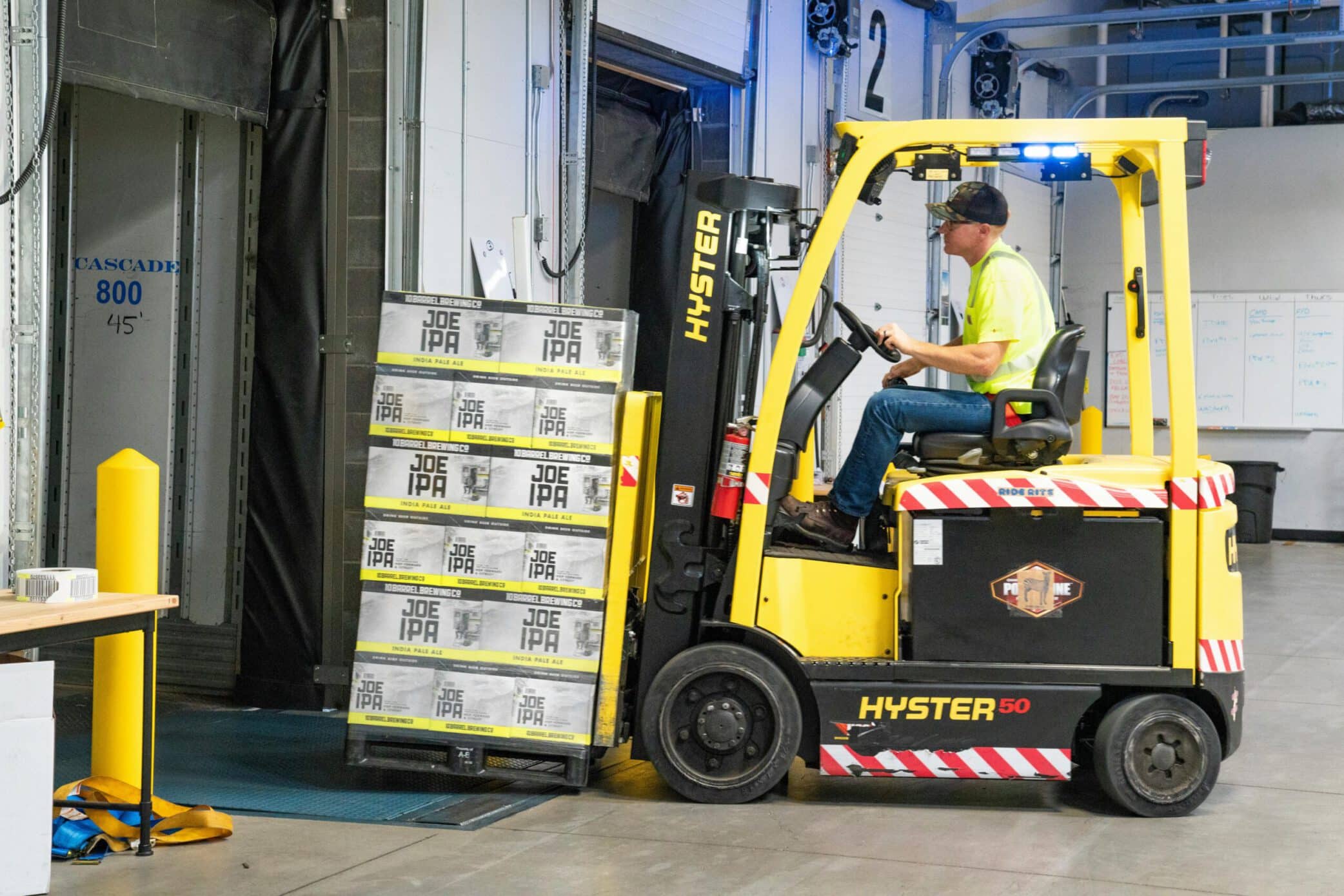
- Forklifts and warehouse equipment
- Manufacturing machinery
- Agricultural equipment
- Commercial kitchen equipment
- Medical equipment
- Boats and commercial vessels
- Other specialised business equipment
Rather than using a large portion of available cash to make the purchase, the cost can generally be repaid over an agreed period.
The Australian Government lists loans, hire purchase, chattel mortgages, equipment leases and asset financing among the funding options businesses can consider when purchasing vehicles, equipment and tools.
Read the Australian Government’s guidance on business funding.
How Can Asset Finance Be Useful to a Business?
One of the biggest reasons businesses consider asset finance is cash-flow management.
Imagine a transport company needs another truck to take on a new contract. The business may have enough money to buy the truck outright, but doing so could leave substantially less cash available for fuel, wages, insurance, maintenance and other operating expenses.
Financing the purchase may allow the business to acquire the truck while retaining more of its working capital.
Asset finance may therefore be useful when a business wants to:
- Add productive equipment without paying the full amount upfront
- Replace old or unreliable machinery
- Increase its delivery or production capacity
- Take on additional contracts
- Add vehicles to an existing fleet
- Reduce reliance on rented equipment
- Upgrade technology or machinery
- Keep more cash available for everyday expenses
Whether financing or purchasing outright makes more sense depends on the cost of the finance, the business’s cash position and the expected benefit generated by the new asset.
The Australian Government also recommends comparing the advantages of leasing and buying business vehicles and equipment before making a decision.
Can Asset Finance Be Used for Truck Finance?
Yes. Truck finance is one of the most common applications of commercial asset finance.
A business may be able to finance a new or used truck where the vehicle is being purchased for an acceptable commercial purpose.
This could include:
- Prime movers
- Rigid trucks
- Tippers
- Refrigerated trucks
- Tray trucks
- Delivery trucks
- Tow trucks
- Crane trucks
- Concrete trucks
- Light commercial trucks
- Trailers
- Special-purpose vehicles
Truck finance isn’t only relevant to large freight companies either.
A builder may need a truck to move equipment between sites. A landscaper might require a tipper. A delivery business could need another vehicle to increase capacity, while an established transport company might use finance to add another prime mover to its fleet.
The central question is normally how the truck will be used and whether the business can support the proposed finance.
LoanBrix has a dedicated guide to truck finance in Melbourne for businesses considering a commercial vehicle purchase.
How Could Truck Finance Help a Growing Business?
Consider a business that has enough work for another vehicle but does not currently have enough capacity to service it.
Buying another truck outright may solve the capacity issue but could significantly reduce the business’s available cash.
Truck finance provides another option.
If approved, the business could potentially acquire the truck and spread its purchase cost across regular repayments. The new vehicle may then allow it to:
- Take on another route
- Employ another driver
- Service a larger contract
- Replace a truck experiencing frequent downtime
- Expand into another location
- Increase freight or delivery capacity
This doesn’t automatically mean financing a truck is the right decision.
Repayments need to be considered alongside fuel, maintenance, tyres, registration, insurance and other operating expenses. The truck should make commercial sense for the business as a whole.
For more detail, see our guide explaining how businesses can finance trucks and work utes.
Can You Use Asset Finance for Equipment and Machinery?
Asset finance can also be used for equipment that never goes near a road.
For example, a construction company may need an excavator. A warehouse may need forklifts. A manufacturing business may need a new production machine, while a hospitality business could require commercial ovens or refrigeration equipment.
This is commonly referred to as commercial equipment finance.
The basic principle is similar: instead of committing the entire purchase price at once, eligible businesses may finance the asset and repay the borrowing over time.
LoanBrix provides more information about commercial equipment finance for businesses considering machinery or equipment purchases.
What About Boat Finance?
Boats are another example of an asset that may be financed, although the appropriate type of finance depends heavily on how the boat will be used.
A boat purchased primarily for personal recreation will generally be treated differently from a vessel being purchased for a genuine business purpose.
For personal use, borrowers may consider a secured boat loan or another form of personal finance.
For commercial use, some vessels may instead be considered under commercial asset-finance arrangements, depending on the lender, business and vessel.
Examples could include vessels used for:
- Fishing businesses
- Tourism
- Marine services
- Charter operations
- Transport
- Other commercial activities
The age, condition, value and type of vessel can also affect lender requirements.
If you are purchasing a recreational vessel, LoanBrix has a separate guide to boat finance in Melbourne covering new and used boats, jet skis and marine finance.
You can also read our guide explaining who can get boat finance in Australia.
Does the Asset Act as Security for the Loan?
Often, yes.
With many types of asset finance, the vehicle or equipment being purchased is used as security for the finance.
This can make asset lending different from an unsecured business loan because the lender has an identifiable asset supporting the transaction.
Lenders may consider factors including:
- Asset type
- Purchase price
- Whether it is new or used
- Asset age
- Expected value
- Business trading history
- Revenue and cash flow
- Credit history
- Existing liabilities
- Requested finance amount
- Deposit or contribution
- Proposed loan term
Different lenders can have substantially different policies.
What Types of Asset Finance Are Available?
The appropriate structure depends on the borrower, the asset and how it will be used.
Commercial transactions may involve structures such as:
Chattel Mortgage
A business purchases and owns the asset while the lender takes security over it until the finance is repaid.
Hire Purchase
The finance provider purchases the asset and the business makes repayments under the agreement, with ownership generally transferring once the relevant terms have been satisfied.
Finance Lease
The financier owns the asset while the business pays to use it under a lease arrangement.
Equipment or Vehicle Loan
Depending on the lender and transaction, a conventional secured business loan may also be used to fund an identifiable vehicle or piece of equipment.
Tax and accounting treatment can differ between structures, so businesses should obtain appropriate accounting or tax advice rather than selecting a finance product solely because of an expected tax outcome.
Is It Better to Finance an Asset or Pay Cash?
There isn’t one answer that applies to every borrower.
Paying cash can avoid finance interest and repayments, while financing may allow a business to retain more cash for other purposes.
A business could consider:
- How much cash will remain after the purchase
- The total cost of the finance
- Expected income generated by the asset
- How long the asset will remain useful
- Maintenance and operating costs
- Whether the equipment is likely to become outdated
- Existing business debts
- Future borrowing requirements
The cheapest option in terms of interest isn’t automatically the best option for cash flow, just as preserving cash doesn’t automatically justify taking on unnecessary debt.
The full financial position needs to be considered.
Can Used Assets Be Financed?
Often, yes.
Used trucks, machinery, vehicles and boats may be eligible for finance.
However, lenders can pay closer attention to:
- Age
- Condition
- Purchase price
- Market value
- Expected useful life
- Seller type
- Whether there is an established resale market
A five-year-old truck with an established resale market, for example, may be assessed differently from a highly specialised piece of machinery that is difficult to value.
The same principle can apply to used boats, where lenders may request additional information regarding the vessel’s condition or value.
Who Can Apply for Asset Finance?
Depending on the lender and type of finance, applicants can include:
- Sole traders
- Companies
- Partnerships
- Trusts
- Contractors
- Tradies
- Owner-drivers
- Established businesses
- Some newer businesses
There is no single set of eligibility rules across every lender.
Trading history, turnover, credit profile, documentation and the asset itself can all affect which options are available.
Why Use an Asset Finance Broker?
One lender declining a particular asset does not necessarily mean every lender will assess the transaction the same way.
Different lenders can have different appetites for industries, asset types, asset ages and business profiles.
A finance broker can help compare options across multiple lenders and determine which ones are more suited to the proposed purchase.
This may be particularly useful when financing:
- A truck or commercial vehicle
- Used machinery
- Specialised equipment
- A large asset purchase
- Multiple vehicles
- A crane or earthmoving equipment
- An unusual commercial asset
- A business with limited trading history
LoanBrix assists businesses across Melbourne and Australia with asset, equipment and commercial vehicle finance.
So, When Is Asset Finance Useful?
Asset finance can be useful when you need an asset now but don’t necessarily want to pay its entire purchase price upfront.
For businesses, the benefit is often the ability to acquire productive assets while retaining more working capital for other expenses.
That asset could be a truck that allows you to take on another contract, machinery that increases production, a forklift that improves warehouse capacity or a commercial vessel that supports your operations.
The right finance structure will depend on the asset, borrower, intended use and lender requirements.
If you are considering a truck, boat, vehicle or piece of business equipment, LoanBrix can compare available finance options and help determine which lenders suit the transaction.
Frequently Asked Questions
What can asset finance be used for?
Asset finance may be used for vehicles, trucks, trailers, machinery, construction equipment, forklifts, cranes and many other identifiable business assets. Some boats and marine assets can also be financed depending on their intended use.
Is truck finance a type of asset finance?
Commercial truck finance generally falls within the broader asset-finance category because the funding is being used to purchase an identifiable business vehicle.
Can a business finance a used truck?
Potentially. Many lenders consider used commercial vehicles, although the truck’s age, condition, value and expected age at the end of the loan term can affect eligibility.
Can boats be financed?
Yes. Boat finance can be available for new and used vessels. The appropriate product depends partly on whether the boat is being purchased for personal or commercial use.
Can asset finance help with cash flow?
It can help avoid paying the entire purchase price of an asset upfront. However, the business will take on repayments and borrowing costs, so both the short-term cash-flow benefit and total cost of finance should be considered.
Do I need to use my existing bank?
No. Asset finance is available from banks, non-bank lenders and specialist commercial lenders. Eligibility, rates and policies differ between providers.
What If the Asset Is for Personal Use?
Asset finance is not limited to business purchases. If you are looking to finance something for personal use, such as a car, boat or motorcycle, a personal loan or secured vehicle finance option may be more suitable.
The right option will depend on the asset, how much you are looking to borrow, your income, credit profile and whether the asset can be used as security.
LoanBrix can also help compare personal finance options for eligible borrowers purchasing vehicles, boats and other personal assets.
One thing to remember is that unused credit cards can affect how much you can borrow, which makes it the most common borrowing capacity killer!